
News
Yangshao Ruins – Construction of Digital Twin Real-Scene Model
作者:admin 2022-02-28
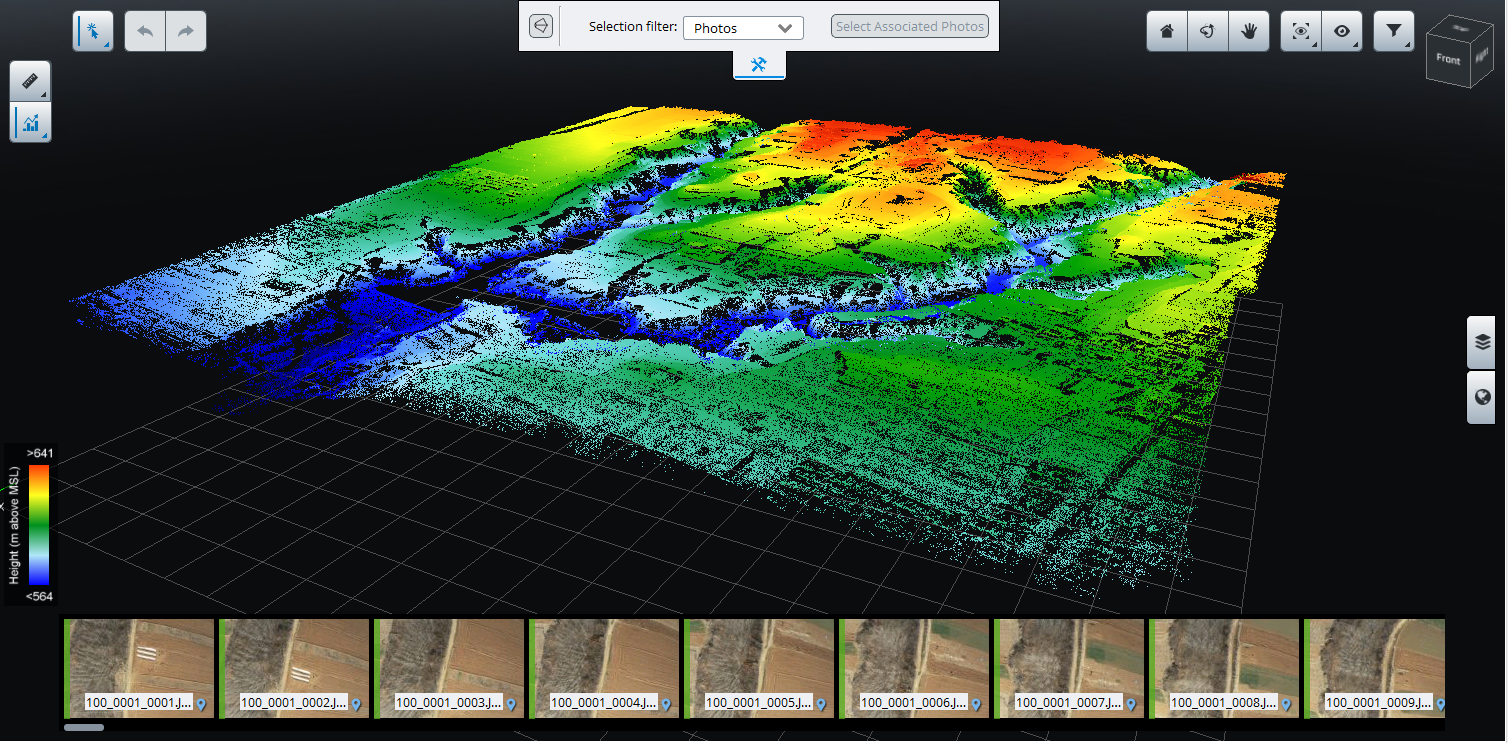 | ||
Backed by Shaofeng Mountain and surrounded by water on three sides, Yangshao Ruins with fertile land was an ideal settlement for ancient people. Covering ~300,000 sq.m, it stretches over 900m long and 300m wide, with a 2-4m thick cultural layer attesting to long-term habitation. In October 1921, with Chinese government approval, Swedish geologist J.G. Andersson and Chinese scholars conducted the first excavation, unearthing numerous artifacts confirming it as a Neolithic site. Following archaeological norms, it was named "Yangshao Culture" after its discovery in Yangshao Village, Mianchi. This pioneered modern Chinese archaeology, opened research on primitive societies, filled gaps in ancient cultural history, and made the site a global academic focus. In June 1951, experts including Xia Nai from the Institute of Archaeology, CAS, excavated red-based black-painted pottery and various Longshan-period pottery. Yangshao Culture's discovery thoroughly refuted the "no Chinese Stone Age culture" claim. To respond to national cultural relic protection calls, Dice Technology undertook part of the Great Wall's digital preservation in 2019. Using precision control networks, drone oblique photography and 3D laser scanning, it conducted digital mapping and disease monitoring to advance new technologies. |

